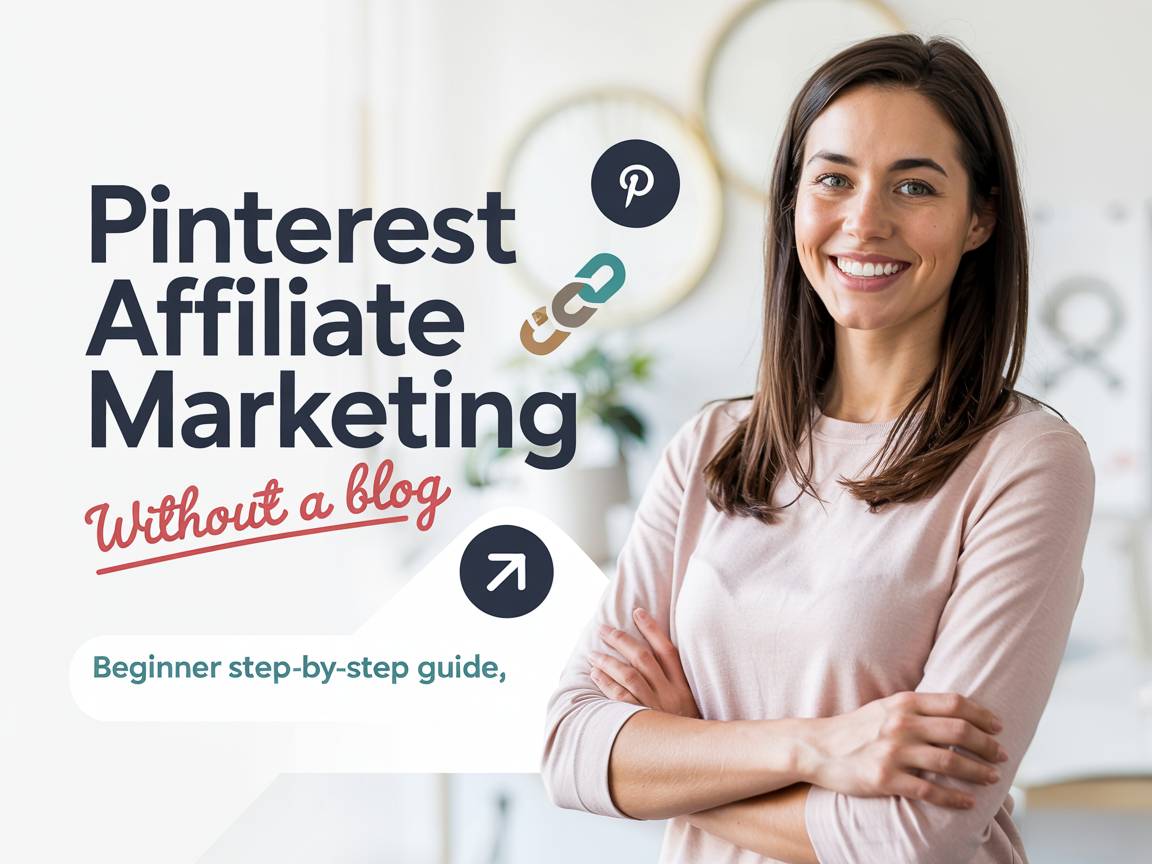
Pinterest Affiliate Marketing Without a Blog: How It Really Works for Beginners
Disclaimer: Our mission is to help readers strengthen their financial well-being, and we often partner with organizations that share this same purpose. If you choose to sign up or make a purchase through one of our partner links, we may earn a referral commission. Learn more here.
When most beginners hear the term affiliate marketing, they automatically assume that a blog or website is mandatory. This belief alone stops many people from ever getting started. The truth is, in 2026, affiliate marketing has evolved far beyond traditional blogs, and Pinterest has become one of the most underrated platforms for earning affiliate commissions without owning a website.
Pinterest is not just another social media platform. It functions more like a visual search engine, where users actively search for ideas, solutions, products, and inspiration. This difference is crucial because people on Pinterest are not only browsing — they are planning and often ready to take action.
This is exactly why Pinterest works so well for affiliate marketing. You are not interrupting users with ads; instead, your content appears at the moment they are already looking for answers. When done correctly, this creates a natural and trust-based path to affiliate earnings.
Why Pinterest Works So Well for Affiliate Marketing Without a Blog
One of the biggest advantages of Pinterest is user intent. Unlike platforms where content disappears within hours, Pinterest content has a long lifespan. A single pin can continue driving traffic for months or even years. For beginners, this means you do not need to post every day to see results.
Another reason Pinterest is beginner-friendly is that you can directly link pins to affiliate offers, tools, or resources (as long as you follow platform guidelines). This removes the need for a blog, hosting, or technical setup, making it accessible even to those with zero technical experience.
Additionally, Pinterest has a global user base. This allows you to earn commissions in USD by promoting international affiliate programs, regardless of where you live. As long as the product solves a problem and matches user intent, location is no longer a limitation.
Who This Method Is Best For
Pinterest affiliate marketing without a blog is especially suitable for beginners who want a low-risk entry point into online income. It is also ideal for creators who prefer visual content, such as images, templates, or short-form designs.
This approach works well for students, side hustlers, stay-at-home individuals, and anyone who wants to test affiliate marketing without investing money upfront. However, it is important to understand that while the barrier to entry is low, consistency and quality still matter.
How the Pinterest Affiliate System Works (Simple Explanation)
The system itself is straightforward. You create helpful pins based on what users are searching for. These pins contain optimized titles and descriptions, and they link directly to an affiliate product or resource. When a user clicks your pin and completes a purchase, you earn a commission.
The key difference here is intent. Pinterest users are often searching for things like “best tools,” “how to start,” or “step-by-step guides.” This makes them far more likely to convert compared to casual scrollers on other platforms.
Common Myths Beginners Believe About Pinterest Affiliate Marketing
Many beginners avoid Pinterest because of common misconceptions. Some believe Pinterest is only for recipes or fashion, while others think a blog is mandatory. These assumptions are outdated and no longer accurate.
In reality, niches like online business, digital tools, productivity, finance, education, and software perform extremely well on Pinterest. What matters is not the niche alone, but how clearly your content solves a specific problem.
Quick Comparison: Pinterest Affiliate Marketing vs Traditional Blogging
📊 Click to View Detailed Comparison Table
| Factor | Pinterest (No Blog) | Traditional Blog |
|---|---|---|
| Initial Cost | $0 (free account) | Domain + Hosting required |
| Technical Skills | Very low | Medium |
| Time to Start | Same day | Several days |
| Traffic Speed | Moderate to fast | Slow in early months |
| Content Lifespan | Long (months/years) | Long (SEO-based) |
| Best For Beginners | Yes | Not always |
Realistic Expectations for Beginners
It is important to approach Pinterest affiliate marketing with realistic expectations. This is not a get-rich-quick method. Results usually take time, especially during the first 30 to 90 days. Pinterest needs time to understand your content and distribute it to the right audience.
However, once momentum builds, traffic can become consistent and predictable. Many beginners earn their first commission from just a few well-optimized pins. Over time, as you publish more content and refine your strategy, earnings can scale naturally.
Key Takeaways
- Pinterest is a visual search engine, not a typical social platform.
- You can do affiliate marketing on Pinterest without owning a blog.
- User intent on Pinterest is high, which improves conversions.
- This method is beginner-friendly and low-risk.
- Consistency and helpful content matter more than posting volume.
How Pinterest Affiliate Marketing Works Without a Blog (Complete System Explained)
Many beginners jump into Pinterest affiliate marketing with excitement, but without fully understanding how the system works. This often leads to confusion, wasted effort, and unrealistic expectations. To succeed, you need clarity — not just motivation.
Pinterest affiliate marketing without a blog is not magic, nor is it complicated. It follows a clear, repeatable system that connects user intent with the right solution. Once you understand this system, every pin you create has a purpose.
📌 The Core Pinterest Affiliate Marketing System
At a fundamental level, Pinterest works like a visual search engine. Users actively search for ideas, tools, solutions, and step-by-step guidance. Your role as an affiliate is to position helpful content exactly where these searches happen.
🔍 Click to Expand: Pinterest Affiliate Flow (Beginner-Friendly)
- User searches a problem or idea on Pinterest
- Your optimized pin appears in search or feed
- User clicks the pin
- User is redirected to an affiliate offer or resource
- Purchase happens → commission is tracked in USD
This flow works because Pinterest users are not randomly scrolling. They are actively planning and researching, which makes them more likely to take action.
🆚 Direct Affiliate Links vs Bridge Pages
One of the most important strategic decisions is choosing how users will reach the affiliate offer. There are two commonly used methods, and both can work when used correctly.
| Factor | Direct Affiliate Link | Bridge / Link Page |
|---|---|---|
| Setup Difficulty | Very Easy | Easy |
| Control Over Content | Low | High |
| Beginner Friendly | Yes | Yes (recommended long-term) |
| Trust Building | Medium | High |
| Risk Management | Medium | Low |
Professional tip: Beginners can start with direct links, but moving to a simple bridge page improves stability, compliance, and conversions over time.
✅ Are Affiliate Links Allowed on Pinterest?
Yes — Pinterest allows affiliate links. However, the platform prioritizes user experience. This means your content must be honest, helpful, and non-deceptive.
✔ What Pinterest Encourages
- Helpful and educational pins
- Clear visuals that match the content
- Honest descriptions
- Transparent recommendations
❌ What Can Cause Problems
- Misleading claims or fake promises
- Spammy pin duplication
- Irrelevant or clickbait images
- Overloading pins with links
When your content genuinely helps users make better decisions, affiliate links blend in naturally.
💰 How Tracking, Cookies, and USD Commissions Work
Affiliate tracking is handled automatically by affiliate programs. When a user clicks your link, a cookie is placed in their browser. If they purchase within the cookie duration, you receive credit for the sale.
| Tracking Element | What It Means for You |
|---|---|
| Cookies | Remember the user came from your pin |
| Cookie Duration | Time window for earning commission |
| Attribution | Determines who gets credit for sale |
| Payment Method | Usually PayPal or bank transfer (USD) |
Longer cookie durations increase your earning potential, especially for high-value or subscription-based products.
🔥 What Types of Products Convert Best on Pinterest
Pinterest users are planners and problem-solvers. They respond best to products that help them improve something in their life or work.
📊 Click to View High-Converting Product Categories
- Digital tools and software
- Online courses and learning platforms
- Templates, planners, and checklists
- AI-powered services
- Productivity and business tools
These products convert well because users can take immediate action after clicking.
🔗 Natural Affiliate Link Placement (Example)
When recommending a tool, always introduce it as a solution, not an advertisement.
If you want to manage links or track clicks efficiently, one beginner-friendly option is listed below.
👉 Try it here (affiliate link):
🧠 Why This Approach Is Ideal for Beginners
This system removes unnecessary complexity. You focus on creating helpful pins, understanding user intent, and improving content quality. There is no need for advanced technical skills or large investments.
As confidence grows, you can expand into more advanced strategies, but this foundation remains the same.
Key Takeaways
- Pinterest affiliate marketing follows a simple, intent-based system.
- Direct links are beginner-friendly; bridge pages offer long-term control.
- Affiliate links are allowed when used responsibly.
- Tracking and commissions are automated and paid in USD.
- Problem-solving products perform best on Pinterest.
Step-by-Step Setup: How to Start Pinterest Affiliate Marketing From Zero
Once you understand why Pinterest works and how the affiliate system functions, the next logical step is execution. This is where most beginners either gain confidence or get overwhelmed. The key is to simplify the process and focus only on what actually matters.
In this section, you will learn how to set up Pinterest affiliate marketing the right way — without shortcuts, without confusion, and without unnecessary tools. Every step is designed for beginners who want clarity, not complexity.
Step 1: Create a Pinterest Business Account (The Right Way)
A Pinterest business account is essential for affiliate marketing. It gives you access to analytics, keyword insights, and long-term growth features. More importantly, it shows Pinterest that you are serious about creating value, not just posting random content.
When setting up your account, avoid using vague usernames. Choose a name that clearly represents what your content is about. This helps both users and Pinterest understand your niche.
| Element | Best Practice |
|---|---|
| Username | Related to your niche or problem you solve |
| Profile Photo | Clear logo or personal brand image |
| Bio | Explain who you help and how |
| Website Field | Optional (can use link-in-bio or leave blank) |
Pro tip: Do not overthink branding in the beginning. Clarity beats perfection.
Step 2: Understand Boards Before Creating Pins
Boards are not just folders — they act as topic signals for Pinterest. Each board tells Pinterest what kind of content you plan to publish. This is why random or mixed-topic boards often fail to get reach.
Create boards based on specific problems or interests your audience has. Instead of one broad board, multiple focused boards perform better in the long run.
📌 Click to See Examples of Good Board Topics
- Best Tools for Online Creators
- Pinterest Marketing Tips for Beginners
- Passive Income Ideas Without a Blog
- Digital Tools for Small Businesses
Each board should have a clear title and a keyword-rich description. This improves discoverability and helps Pinterest categorize your content correctly.
Step 3: Choose the Right Affiliate Programs Before Pinning
Many beginners start creating pins before deciding what they will promote. This leads to unfocused content and low conversions. A smarter approach is to select affiliate products first and then build content around them.
Choose products that genuinely solve problems and are easy to explain visually. Tools, templates, and digital services usually work best on Pinterest.
| Product Type | Why It Works on Pinterest |
|---|---|
| Digital Tools | Immediate solution, high intent |
| Online Courses | Education-focused audience |
| Templates & Planners | Visual and actionable |
| Software Subscriptions | Recurring USD commissions |
Step 4: Create Pins That Get Clicks (Even With Zero Followers)
You do not need followers to succeed on Pinterest. What matters is whether your pins match what people are searching for. A well-designed pin with a clear message can outperform accounts with thousands of followers.
Each pin should focus on one clear idea. Avoid trying to explain everything at once. Simplicity increases clicks.
✔ Elements of a High-Performing Pin
- Clear headline that addresses a problem
- Readable text (mobile-first)
- Relevant visuals or mockups
- Consistent style and branding
Important: Pinterest favors fresh pins. Creating multiple variations for the same idea often performs better than repeating the same design.
Step 5: Write Descriptions That Help Pinterest Understand Your Content
Pin descriptions are not for selling — they are for discovery. Your goal is to help Pinterest understand who should see your pin. This is where keywords play an important role.
Use natural language. Write as if you are explaining the pin to a real person. Forced keyword stuffing reduces reach and trust.
✍️ Click to See a Simple Description Structure
Start with the main idea → explain who it is for → mention the benefit → add a natural call to action.
Step 6: Stay Consistent Without Burning Out
Consistency does not mean posting daily without a plan. It means showing up regularly with focused content. Even 3–5 pins per day across different boards can be enough when done strategically.
Track what works, improve designs, and refine messaging over time. Pinterest rewards accounts that show steady improvement and relevance.
Key Takeaways
- A business account is essential for growth and analytics.
- Boards help Pinterest categorize and rank your content.
- Choose affiliate products before creating pins.
- You do not need followers to get traffic.
- Clarity and consistency matter more than volume.
How to Get Traffic, Earn Your First Commission, and Scale Without a Blog
After setting up your Pinterest account, boards, and pins, the most important question becomes simple: how do you actually get traffic and turn that traffic into affiliate income? This is where many beginners lose patience, not because the method is flawed, but because expectations are unrealistic.
Pinterest is not an instant platform. It rewards consistency, relevance, and clarity over time. Once you understand how traffic flows and how conversions happen, affiliate marketing without a blog becomes predictable and scalable.
How Pinterest Traffic Really Builds Over Time
Pinterest traffic usually grows in phases. In the first few weeks, Pinterest is testing your content. During this phase, impressions may be low, and clicks may feel inconsistent. This is normal and should not be seen as failure.
Between 30 to 90 days, Pinterest begins to understand your niche, boards, and pin quality. This is when traffic starts compounding. One pin performing well often lifts the performance of others.
| Time Period | What Usually Happens |
|---|---|
| 0–30 Days | Testing phase, low impressions |
| 30–90 Days | Gradual traffic growth |
| 90+ Days | Stable and compounding traffic |
Pinterest SEO Basics That Actually Matter
Pinterest SEO is simpler than traditional blog SEO. You do not need advanced tools or technical knowledge. Pinterest mainly looks at relevance and engagement.
✔ Key Pinterest SEO Elements
- Pin title (clear, problem-focused)
- Pin description (natural keywords)
- Board title and description
- Consistency of topic
If all these elements align, Pinterest understands exactly who your content is for.
🔍 Click to See an Example of Keyword Alignment
Board: “Pinterest Affiliate Marketing Tips”
Pin Title: “How to Use Pinterest for Affiliate Marketing Without a Blog”
Description: Explains the same topic naturally for beginners.
How Beginners Earn Their First Affiliate Commission
Most beginners earn their first commission from a small number of focused pins, not from hundreds of random ones. The key is matching the pin to a clear problem and offering a direct solution.
Usually, first commissions come from tools, templates, or services that users were already planning to try. Your pin simply helps them decide.
🧠 Conversion Checklist
- Does the pin solve one specific problem?
- Is the message clear within 3 seconds?
- Does the link lead to a relevant solution?
- Is the recommendation honest and realistic?
Natural Affiliate Recommendation Example
Affiliate links should always feel like guidance, not pressure. Below is a clean and professional way to include a recommendation.
If you want to manage Pinterest links or track clicks without using a blog, one beginner-friendly option is listed below.
Recommended Tool:
👉 Check details or pricing here:
Scaling What Works (Without Overcomplicating)
Once you see clicks or your first commission, scaling becomes much easier. Scaling does not mean doing everything — it means repeating what already works.
This could mean creating more pins for the same product, improving pin designs, or focusing on one high-performing board.
| Beginner Action | Scaling Version |
|---|---|
| 1 pin per idea | 3–5 pin variations |
| One affiliate tool | Related tools in same niche |
| Basic designs | Improved visuals & clarity |
Common Mistakes That Slow Growth
- Changing niches too quickly
- Expecting instant results
- Ignoring pin quality
- Overposting without strategy
- Promoting too many products at once
A slow and focused approach almost always beats rushed execution.
Long-Term Mindset for Sustainable Income
Pinterest affiliate marketing without a blog works best when treated as a long-term digital asset. Each pin you create is like a small entry point that can send traffic for months or years.
If you stay consistent, improve gradually, and prioritize helping users, this model can grow from a side experiment into a stable USD-based income stream.
Final Takeaways
- Pinterest traffic builds in predictable phases.
- SEO on Pinterest is about relevance, not tricks.
- First commissions come from focused, problem-solving pins.
- Scaling means repeating what already works.
- Consistency and patience are non-negotiable.